Formula 1 History
Formula 1 roots trace back to the European Grand Prix motor racing championships of the 1920s and 1930s. However, the modern era officially began following World War II.
-
1950s: The Brave Beginnings.
The official world championship starts. The cars had the engines in the front, zero seatbelts, and were incredibly dangerous to drive. Juan Manuel Fangio was the first true superstar, winning 5 titles.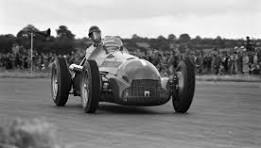
-
1960s-1970s: The Aero Revolution.
Small British teams realized that if you put the engine behind the driver and add airplane-style wings, the cars corner much faster. Cars started getting painted in corporate sponsor colors rather than national flags.Home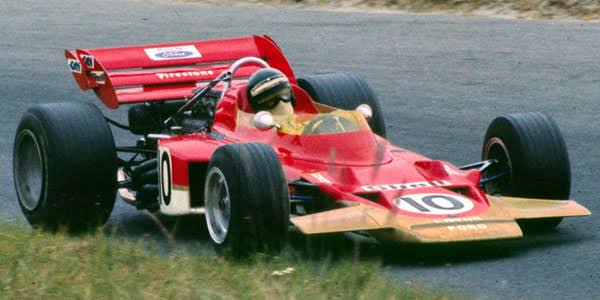
-
1980s-1990s: Turbos & Titans.
Engines got smaller but were strapped with massive turbos, pushing over 1,000 horsepower. This era was defined by the fierce, bitter rivalry between Ayrton Senna and Alain Prost. Following Senna's tragic death in 1994, the sport finally made driver safety its top priority.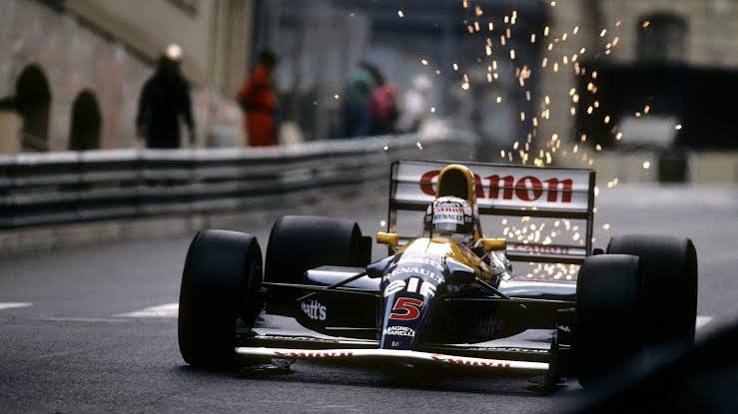
-
2000s-2010s: The Tech Dynasties.
The era of unstoppable teams. Michael Schumacher and Ferrari rewrote the record books in the early 2000s. In 2014, the sport switched to highly advanced, eco-friendly V6 Hybrid engines—sparking an 8-year run of dominance by Lewis Hamilton and Mercedes.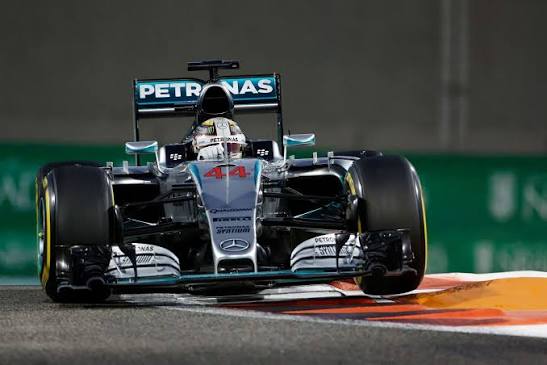
-
2020s: The Global Boom.
Thanks to the Netflix show Drive to Survive, F1 exploded into a massive global pop-culture phenomenon, with Max Verstappen and Red Bull becoming the new unstoppable force on the track.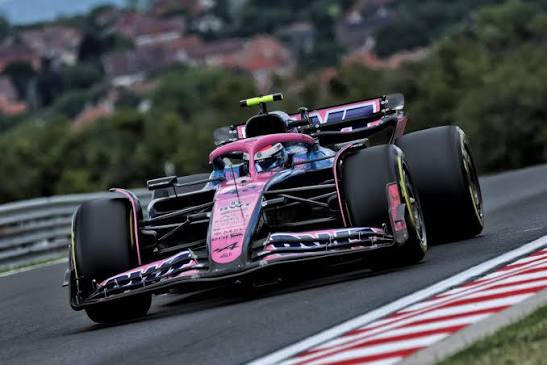
How does Formula 1 work
-
The Grid:
20 drivers from 10 teams travel the world racing single-seater, high-tech cars on purpose-built tracks and street circuits. -
The Weekend:
Saturday is Qualifying (drivers compete for the fastest single lap to see who starts first). Sunday is the Race (a flat-out, 90-minute sprint to the finish line). -
The Pit Stop:
Cars must stop at least once during the race to switch tire types. A crew of 20 people can change all four tires in under 2.5 seconds. -
The Points:
Only the top 10 finishers score championship points (25 for the winner, down to 1 for 10th place). The driver and team with the most points at the end of the year win the world titles.